





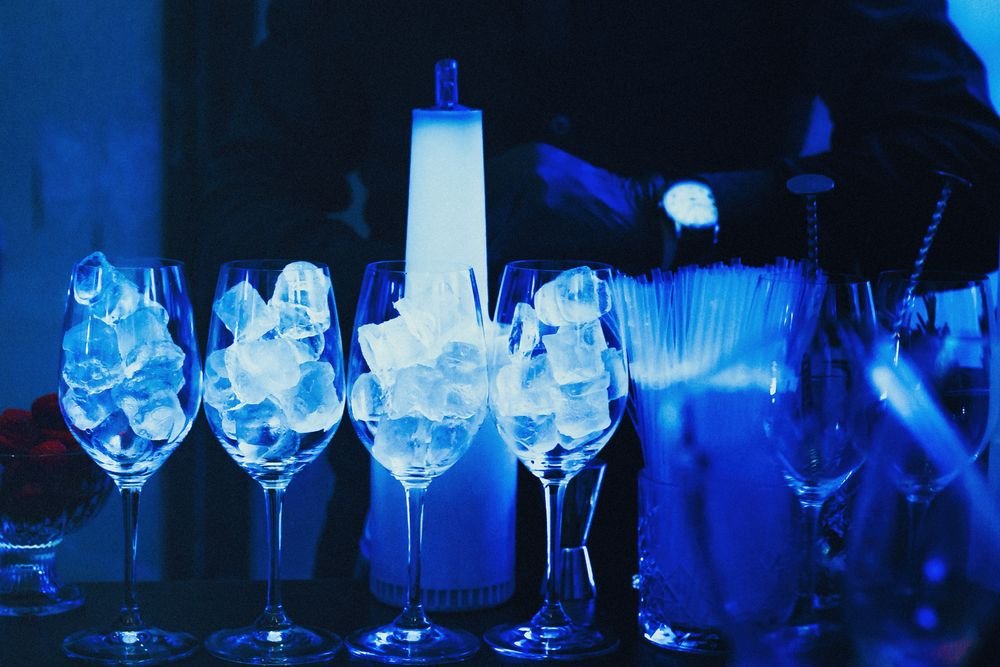
Viniq was once a fixture at parties and on social media feeds — a glittering, color-shifting liqueur that seemed perfectly designed for the Instagram era. Then, without much fanfare, it quietly disappeared from store shelves. If you have been searching for it and coming up empty, you are not imagining things. It is gone.
This article covers what is confirmed about Viniq’s discontinuation, the most credible reasons behind it, whether the shimmer ingredient was ever a safety concern, where bottles can still be found today, and what alternatives exist if you want to recreate the look.
Viniq Has Been Discontinued — Here Is What Is Known
Viniq was discontinued somewhere around 2019 to 2020. The exact date has never been publicly confirmed. E. & J. Gallo Winery, the company that produced it, no longer includes Viniq in its active product lineup.
Gallo has not released any official statement or press release explaining the decision. That silence is worth noting. It means that anything you read about why Viniq was pulled — including this article — is analytical rather than confirmed by the company itself.
The facts that are clear: the product no longer exists in regular retail channels, Gallo no longer promotes it, and new stock is not being produced. Everything else involves a degree of educated interpretation.
What Viniq Was and Why It Attracted Attention
Viniq launched in 2014, produced by E. & J. Gallo Winery. It was a blend of vodka, Moscato, and fruit flavors — primarily berries and peach — making it relatively sweet and approachable as far as liqueurs go. It retailed for around $20, which put it in an accessible price range.
Its defining feature had nothing to do with flavor. The shimmer was the product. When you swirled the bottle, the liquid shifted color in a pearlescent, almost magical way. That visual quality made it extremely photogenic, and it spread quickly through social media during the mid-2010s visual content boom.
It came in multiple flavor variants and was positioned squarely as a party drink — something you bought because it looked impressive, not because it was a carefully crafted spirit. That positioning worked well for a period. Then the world around it started to change.
Plausible Reasons Behind the Discontinuation
Because Gallo has offered no official explanation, the reasons for Viniq’s discontinuation are a matter of reasonable analysis. Several factors likely played a role, though none can be stated with certainty.
Consumer Preferences Shifted
By the late 2010s, the alcohol market was moving in a different direction. Consumers were increasingly drawn to lower-sugar drinks, health-conscious options, and artisanal spirits with a credible story behind them. Viniq had none of those qualities. It was sweet, visually flashy, and built around novelty rather than craft.
That shift did not happen overnight, but it was consistent. As drinkers became more interested in what was in their glass, a shimmery liqueur whose main appeal was how it looked on a phone screen had less and less to offer.
Novelty Has a Short Shelf Life
Viniq’s identity was almost entirely built on its visual appeal. Once that novelty faded — once the shimmer no longer felt surprising — the product had little else to fall back on. A drink that earns attention because it is visually unusual needs to keep generating that reaction. Over time, it simply did not.
This is a common pattern with trend-driven consumer products. The initial buzz drives sales, but without a deeper reason to return to the product, repeat purchases decline. Viniq appears to have followed that trajectory.
Unclear Product Category
Viniq sat in an ambiguous space between liqueur, ready-to-drink cocktail, and novelty item. That kind of category confusion can create real problems for a product. Retailers are not always sure where to shelve it. Buyers are not always sure what occasion calls for it. Marketing it becomes harder when the product does not fit neatly into an established category.
Portfolio Rationalization
Large beverage companies regularly review their product portfolios and remove items that no longer align with their priorities. This does not require a scandal or a safety issue. It is simply a business decision — focus resources on brands that perform better or fit more naturally into the company’s long-term direction.
Think of it like a niche snack flavor with a small but loyal following. The company may like the product, but if it is not generating strong returns or does not fit the broader brand strategy, it gets cut. Viniq likely reached that point for Gallo by 2019 or 2020.
No Safety Recall — What Made Viniq Shimmer
One of the most common questions about Viniq is whether it was pulled because of a health or safety issue. Based on available information, the answer appears to be no.
There is no public evidence of a safety recall, regulatory action, or ingredient ban connected to Viniq’s removal from market. This was not a situation where a product was found to be harmful and pulled as a result.
As for what created the shimmer — that has never been formally disclosed by Gallo. Based on hobbyist analysis and language the brand itself used in product descriptions, the effect appears to have come from food-grade luster dust and fine sugar crystals, similar to the ingredients used to make decorative frosting and rock candy shine. These types of ingredients are generally recognized as safe for consumption.
It is possible that some health-conscious consumers viewed the novelty additives with suspicion, which may have affected perception at the margins. But that is very different from an actual safety problem. The shimmer, as best as can be determined from non-official sources, was a cosmetic ingredient, not a hazardous one.
Where Can You Still Find Viniq — and What Does It Cost Now
Finding Viniq today takes real effort, and it will not be cheap. Remaining bottles occasionally surface through wine auction platforms, specialty liquor stores, and online secondary markets. Availability is inconsistent and depends heavily on what individual retailers or private sellers happen to have in stock.
The price gap is striking. Viniq originally sold for around $20 at retail. In some markets, remaining bottles have been listed for anywhere between $130 and $330. That is the cost of scarcity — not a reflection of any increase in the product’s inherent value, but simply of how little supply remains.
Some larger liquor retailers, such as Total Wine & More, have occasionally been able to locate remaining stock in specific store locations. If you are determined to find a bottle, calling ahead or using store-level inventory tools is more effective than searching generic online listings.
It is worth approaching any purchase with realistic expectations. You are buying a discontinued product, which means no quality assurance from the producer and no guarantee of condition.
DIY Alternatives: Recreating the Shimmer at Home
If what you want is the experience rather than the specific bottle, it is possible to get reasonably close with a DIY approach.
The base flavor profile of Viniq — sweet, fruity, slightly grape-forward — can be approximated by combining Moscato with vodka and adding a berry or peach liqueur to taste. That covers the flavor side fairly well.
For the shimmer, food-grade luster dust or edible glitter, both widely available from baking supply retailers, can be stirred into a cocktail to create a similar pearlescent effect. A small amount goes a long way, and the visual result when you swirl the glass can be quite close to what Viniq produced.
This approach works particularly well for events where the visual impact matters — a themed party, a nostalgia-themed cocktail hour, or content creation. It costs a fraction of what a remaining original bottle would run, and you have control over the flavor balance.
For those interested in business trends behind products like this, MyBizOutlook covers market dynamics and consumer brand stories worth following.
Could Viniq Ever Come Back
There is no current indication that Gallo plans to relaunch Viniq. The brand does not appear in their active portfolio, and no announcement of a revival has been made. That does not make a return impossible, but it makes it unlikely in the near term.
Interest in visually striking drinks has not gone away entirely. If the market created a strong enough commercial case, a company could theoretically revisit the concept. But Viniq as a specific brand appears to be finished, at least for now.
Final Thoughts
Viniq’s story is a useful example of how a product can rise quickly on novelty and social media momentum, then quietly exit when those advantages fade and the broader market moves on. There was no scandal, no safety issue, and no dramatic collapse — just a business decision that reflected changing priorities and consumer tastes.
For those who genuinely miss it, secondary market bottles exist but come at a significant cost. The DIY shimmer cocktail route offers a practical and affordable way to recreate the look without the price premium. And for anyone who simply wants to understand what happened — now you do.
Read Also: