





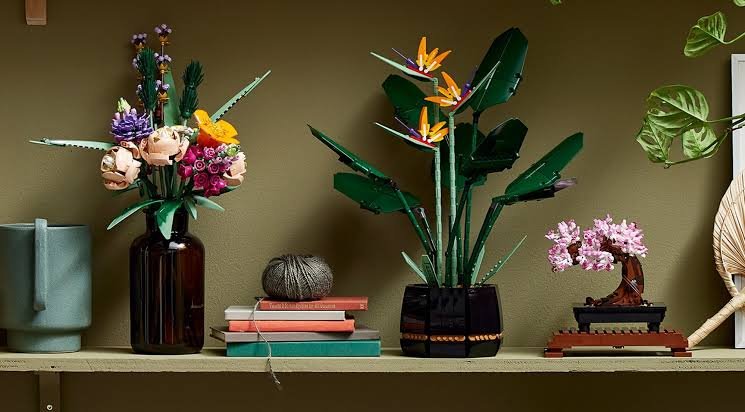
The LEGO Bird of Paradise (set 10289) became one of the most recognizable sets in the Botanical Collection. Its bold design, impressive scale, and appeal as a display piece made it popular with builders and decorators alike. Now it’s gone from official shelves — and if you search for it today, you’ll likely find prices nearly double the original retail cost.
This article explains when and why the set was retired, how LEGO’s product lifecycle typically works, what the secondary market looks like right now, and what your options are if you still want the set — or something similar to it.
The LEGO Bird of Paradise Was Retired, Not Recalled
First, it helps to understand the difference between a recall and a retirement. A recall means a product was pulled from shelves due to a safety concern or defect. A retirement simply means LEGO stopped manufacturing and distributing the set through official channels.
Set 10289 was retired — not recalled. There are no reported safety issues or design problems associated with it. LEGO has not issued any statement suggesting the set was discontinued for negative reasons.
Here are the basic facts:
- Set number: 10289, part of the LEGO Icons Botanical Collection
- Release date: June 2021
- Original retail price: $99.99 USD
- Retirement date: December 2023
- Total shelf life: approximately 2.5 years
Once a set is retired, LEGO stops producing it and removes it from its own website and official retail partners. Whatever units remain in circulation are the only ones left. That’s exactly the situation with the Bird of Paradise today.
How LEGO Decides When to Retire a Set
LEGO doesn’t publish detailed explanations for individual retirement decisions. What we do know comes from observable patterns across hundreds of sets over many years.
Most LEGO sets stay on shelves for roughly two to four years before being retired. The Bird of Paradise ran for about 2.5 years, which puts it squarely in the middle of that typical window. Its retirement was not early or unusual — it followed the standard schedule.
There are several general reasons LEGO retires sets, though these apply broadly and are not specific to set 10289:
- Making room for new releases: LEGO regularly introduces new sets within each theme. Retiring older ones keeps the product line fresh and manageable.
- Managing production and inventory costs: Keeping every set in continuous production is not practical or efficient at scale.
- Refreshing themes with new designs: The Botanical Collection has continued to expand with new plant-inspired sets, which means older designs eventually rotate out.
The Botanical Collection as a whole follows this same rotation. According to retirement tracking from Nanibricks, current Botanical sets released in 2024 are projected to retire somewhere between 2026 and 2028 — again reflecting that two-to-four-year pattern. The Bird of Paradise was not singled out. It was part of a predictable cycle.
What the Bird of Paradise Costs Now Compared to Its Original Price
This is where things get noticeably different for buyers who missed the original retail window.
At launch, the set retailed for $99.99. Today, according to BrickEconomy, a new and sealed set is valued at approximately $205. That’s more than double the original price. Used sets trade for around $124 on average.
BrickRanker data shows an average sale price of roughly $169.81 over the past six months, reflecting approximately 70% value growth since the set’s retirement in December 2023.
This kind of price increase is common for retired LEGO sets, particularly in popular themed lines like the Botanical Collection. The reason is straightforward: once production stops, the total supply is fixed. As demand from late buyers and collectors meets a shrinking pool of available sets, prices tend to rise.
It’s worth noting that these are current market observations, not predictions. Future prices depend on supply, demand, and how many sealed sets remain in circulation over time. Anyone considering purchasing at today’s elevated prices should factor in that uncertainty.
Where to Find the Bird of Paradise Set Today and How to Buy Safely
The set is no longer available on LEGO.com or at any official retail stores. If you want one, you’ll need to turn to the secondary market — which comes with its own considerations.
Common Platforms for Finding the Set
- eBay: The most commonly recommended platform among collectors. Listings vary widely in price and condition, so comparison shopping is essential.
- Amazon: Third-party sellers on Amazon may carry the set, though prices are typically higher. Check seller ratings carefully.
- Local resale marketplaces: Facebook Marketplace, Craigslist, and similar platforms sometimes surface deals, especially from people clearing out collections.
- LEGO collector Facebook groups and forums: Community members occasionally list sets at fair prices. These groups can also help you identify legitimate sellers.
A Word of Caution About Clone Sets
AliExpress and similar platforms do carry Bird of Paradise listings, but the collector community consistently warns that many of these are non-LEGO clones — products that look similar but are not genuine LEGO sets. Buying a clone means you’re not getting authentic LEGO parts, build quality, or instructions.
If authenticity matters to you, there are a few ways to protect yourself:
- Look for sealed boxes with clearly visible LEGO branding and set numbers.
- Ask sellers for detailed photos of all sides of the box before purchasing.
- Review seller feedback carefully and avoid listings with limited history or vague descriptions.
- Be skeptical of prices that are significantly below current market averages — they often signal a counterfeit product.
Buying used is a reasonable option if budget is a concern. A used set in good condition trades for around $124 on average, which is meaningfully less than sealed options. Just confirm that all pieces and instructions are included before completing the purchase.
What This Means for Botanical Collection Fans
The Bird of Paradise retirement is a useful case study for anyone who follows the Botanical Collection. It shows how quickly a well-regarded set can move from widely available to scarce and expensive.
For collectors, retirement can increase a set’s desirability. Scarcity is a real factor in the secondary market, and the Bird of Paradise’s 70% price growth since December 2023 reflects that clearly.
For casual buyers — especially those who wanted the set for home display — the retirement creates a more difficult and expensive path to ownership. Several Reddit threads capture this frustration well, with users expressing regret at not buying the set before it left shelves.
According to MyBizOutlook, understanding product lifecycle timing is genuinely useful across many consumer categories — not just LEGO. Knowing that a product has a defined shelf life allows buyers to make more informed decisions before scarcity drives prices up.
What Are the Alternatives If You Can’t Find the Bird of Paradise?
If the current prices are too high or you simply can’t locate a legitimate set, the Botanical Collection still has strong options in active production.
Sets like the Orchid (10311) and the Flower Bouquet (10280) offer a similar decorative, plant-inspired building experience and are currently available at retail pricing. The Flower Bouquet is noted as having an expected retirement around mid-2026, so buyers who are interested have a reasonable window — but based on the Bird of Paradise example, waiting too long carries real risk.
The broader lesson is worth repeating: if you want a specific Botanical set, buying it while it’s still in production at retail pricing is almost always the better financial decision. Once it retires, you’re entirely dependent on what other people are willing to sell — and at what price.
Tracking retirement schedules through LEGO fan sites like BrickRanker, BrickEconomy, and Nanibricks can help you stay ahead of these changes. They publish expected retirement dates and flag sets that are likely to leave shelves soon.
Final Thoughts
The LEGO Bird of Paradise wasn’t discontinued because of a problem. It was retired as part of a standard product rotation that applies to nearly every LEGO set across every theme. Its 2.5-year shelf life is completely consistent with how Botanical Collection sets are managed.
What makes it notable now is what happened after retirement: prices climbed sharply, availability narrowed, and the risk of encountering counterfeit listings increased. For anyone still hoping to own the set, careful research and patient shopping on reputable platforms are essential.
And for Botanical Collection fans looking ahead — the Bird of Paradise is a clear reminder that waiting on a set you genuinely want is rarely the most cost-effective strategy.
Read Also: