





Picture this: a homeowner with chemical sensitivities starts planning a renovation. They remember seeing denim insulation at Home Depot a few years back and think it’s the perfect choice. No harsh chemicals, no itchy fibers, eco-friendly. But when they search for it in 2024, the listings are empty, the product pages are dead, and forum threads keep pointing them somewhere else entirely.
This situation is becoming more and more common. So what actually happened to denim insulation? Is it truly gone, or just harder to find? And if you wanted it for good reasons — health, sustainability, soundproofing — what should you do now?
This article covers all of that in plain terms.
What Denim Insulation Is and Why It Attracted Attention
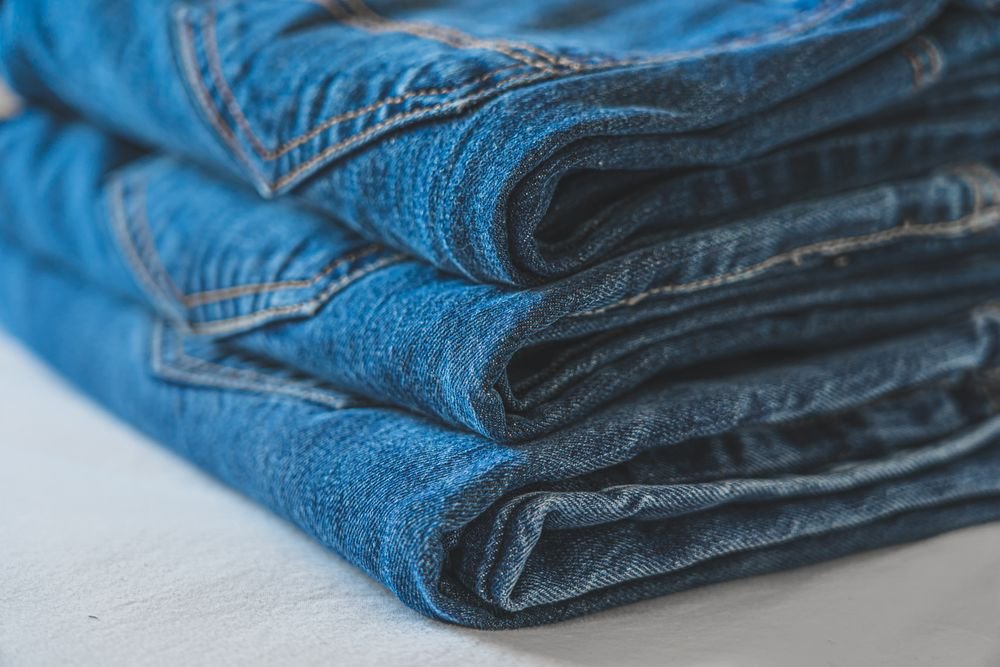
Denim insulation is exactly what it sounds like. It’s made from post-consumer recycled denim and cotton textile scraps — old jeans, factory offcuts, and similar materials. The recycled content typically makes up around 80–85% of the finished product.
The manufacturing process involves collecting used denim, removing any hardware like buttons and rivets, shredding the fabric into fibers, treating it with borates for fire and mold resistance, and then compressing everything into batts or loose-fill. The primary brand behind this product was UltraTouch, made by a company called Bonded Logic. A handful of smaller niche producers have also offered similar products over the years.
Performance-wise, denim insulation holds its own. It delivers an R-value of around R-3.5 per inch, which is comparable to standard fiberglass batts. It was commonly sold in R-13 and R-19 formats for walls and floors.
The bigger appeal wasn’t just thermal performance. Denim insulation contains no formaldehyde, no VOCs, and no glass fibers. You can handle it without gloves, a respirator, or a full set of protective gear. For DIYers and people with sensitivities to chemicals, that was a genuinely meaningful difference.
It also had a strong sustainability angle. Using post-consumer textile waste diverts material from landfills and reduces the demand for virgin resources. High-profile projects like the California Academy of Sciences used denim insulation, which helped establish it as a credible green building material rather than just a novelty.
The Real Advantages That Made It a Credible Alternative
Beyond the eco-friendly story, denim insulation had practical strengths worth acknowledging.
Acoustic performance was a standout. Denim batts typically achieve an STC (Sound Transmission Class) rating of around 52, compared to roughly 46 for standard fiberglass. That’s approximately 20–30% better sound absorption — a meaningful difference if you’re insulating a home office, bedroom wall, or media room.
The handling experience was also genuinely better for DIY work. Cutting a batt of denim with a utility knife is clean and easy. There’s no cloud of irritating particles, no protective gear required, and no skin irritation afterward. For homeowners doing their own work, that’s a real quality-of-life improvement.
For people with chemical sensitivities or respiratory concerns, denim’s lack of off-gassing and synthetic binders made it the obvious choice. These weren’t just marketing points — they were practical, measurable differences backed by the product’s composition.
The problem is that these advantages were never strong enough to overcome the challenges on the supply and cost side.
The Drawbacks That Held Denim Insulation Back
Even at its peak popularity, denim insulation had real limitations that kept it from going mainstream.
Cost was the most persistent issue. Depending on the product and supplier, denim insulation typically ran 10–50% more than fiberglass, and in some cases approached double the price. For a single room, that gap is manageable. Across an entire house, it adds up to thousands of dollars — which matters enormously to builders, developers, and budget-conscious homeowners alike.
Moisture sensitivity is another concern that never fully went away. Think of it like a cotton sweater: it insulates well when dry, but once it absorbs moisture, it gets heavy and loses effectiveness. Denim insulation behaves similarly. It can absorb moisture if a wall assembly isn’t properly sealed and managed, which raises the risk of mold or performance loss over time. Careful installation and good moisture control practices are essential — and not every contractor was prepared to account for that.
Distribution was also a consistent problem. Even when denim insulation was more available, it often required special ordering through specific suppliers, came with longer lead times, and cost more to ship. Most insulation contractors default to materials they can reliably source and have experience installing. Denim simply wasn’t that material for most of the industry.
Competing alternatives like cellulose and mineral wool offered similar eco-friendly or health-focused credentials — often at lower prices and with far less sourcing friction. That made it harder for denim to justify its premium in the broader market.
Why It Has Largely Disappeared From Mainstream Retail
Consumer reports and forum discussions paint a fairly consistent picture. UltraTouch denim insulation appears to have stopped appearing on Home Depot shelves around early 2021. Product listings went inactive, reviews stopped coming in, and homeowners who went looking for it found nothing.
To be clear: no single manufacturer has issued a formal public announcement declaring denim insulation fully discontinued. What’s happened looks more like a market-driven withdrawal — a product that was quietly scaled back from major retail channels rather than eliminated through any single decision.
Several factors likely contributed to this outcome:
- Limited demand at scale. Denim insulation appealed to a specific segment of buyers — eco-conscious, health-aware, DIY-oriented. That’s a real market, but not a large enough one to sustain major retail shelf space alongside cheaper, faster-moving products.
- Supply chain complexity. Sourcing post-consumer denim requires a reliable stream of used textiles, sorting, hardware removal, and specialized processing. That’s fundamentally more complicated and costly than manufacturing fiberglass from raw materials. When supply chains tightened around 2020 and 2021, niche products with complex sourcing were especially vulnerable.
- Contractor and builder indifference. Most insulation jobs are specified by contractors, not homeowners. If professionals aren’t requesting a material and suppliers aren’t stocking it, demand quietly disappears from the market.
- Stronger alternatives gaining ground. Mineral wool in particular has grown significantly in availability and mainstream awareness. It offers comparable acoustic performance, is non-combustible, handles moisture better, and is now stocked by major retailers. For many of the buyers denim would have attracted, mineral wool became the easier answer.
Is Denim Insulation Completely Gone?
Not entirely — but the realistic picture is limited. Some specialty suppliers and insulation dealers may still be able to source it through special orders, though expect higher prices and longer wait times. At least one niche brand, Quiet Denim, continues to market denim insulation products, which shows the material hasn’t vanished from the earth. It’s just no longer something you can pick up at a big-box store on a Saturday morning.
The honest framing is this: denim insulation has undergone a mass-market discontinuation, not a universal extinction. For most homeowners in most situations, it is effectively unavailable through normal channels.
Practical Alternatives Worth Considering
If you were drawn to denim insulation for specific reasons — health, sustainability, soundproofing — there are alternatives that address those same concerns.
Mineral Wool (Rock Wool)
This is the most commonly recommended swap. Mineral wool offers strong R-values, excellent fire resistance, good acoustic performance, and handles moisture far better than cotton-based products. It’s now widely stocked at major retailers and is regularly specified by contractors. It does involve inorganic fibers, so some sensitivity-focused buyers may still prefer other options — but it’s a well-rounded performer.
Cellulose
Made primarily from recycled paper, cellulose has genuine green credentials and strong thermal performance. It’s widely available, reasonably priced, and works well as blown-in insulation for attics and walls. It shares some moisture-management considerations with denim, so proper installation still matters.
Formaldehyde-Free Fiberglass
Several fiberglass products are now manufactured without formaldehyde binders, addressing one of the main health concerns that pushed buyers toward denim. These products maintain the mainstream price and availability advantages of standard fiberglass while reducing chemical exposure. Not identical to denim, but a reasonable middle ground for budget-conscious buyers with mild sensitivities.
For resources covering broader home improvement and construction decisions, MyBizOutlook offers practical guidance across a range of topics relevant to homeowners and business owners alike.
Could Denim Insulation Come Back?
It’s possible, though expectations should be realistic. Interest in textile recycling and circular economy manufacturing is growing, and denim insulation represents a logical application of both trends. Future products built on recycled cotton or blended textile fibers could improve on earlier formulas — better moisture resistance, lower costs, streamlined supply chains.
But for now, the market hasn’t moved in that direction. Denim insulation remains a niche product with limited availability, and there’s no clear signal that a major manufacturer is preparing to bring it back to mainstream retail.
What This Means for Homeowners
If you’re planning a project and were counting on denim insulation, the practical advice is straightforward. Check with local insulation dealers or eco-building specialty suppliers to see if they can source it.
Read Also: